Understanding the Construction Dispute Resolution Process
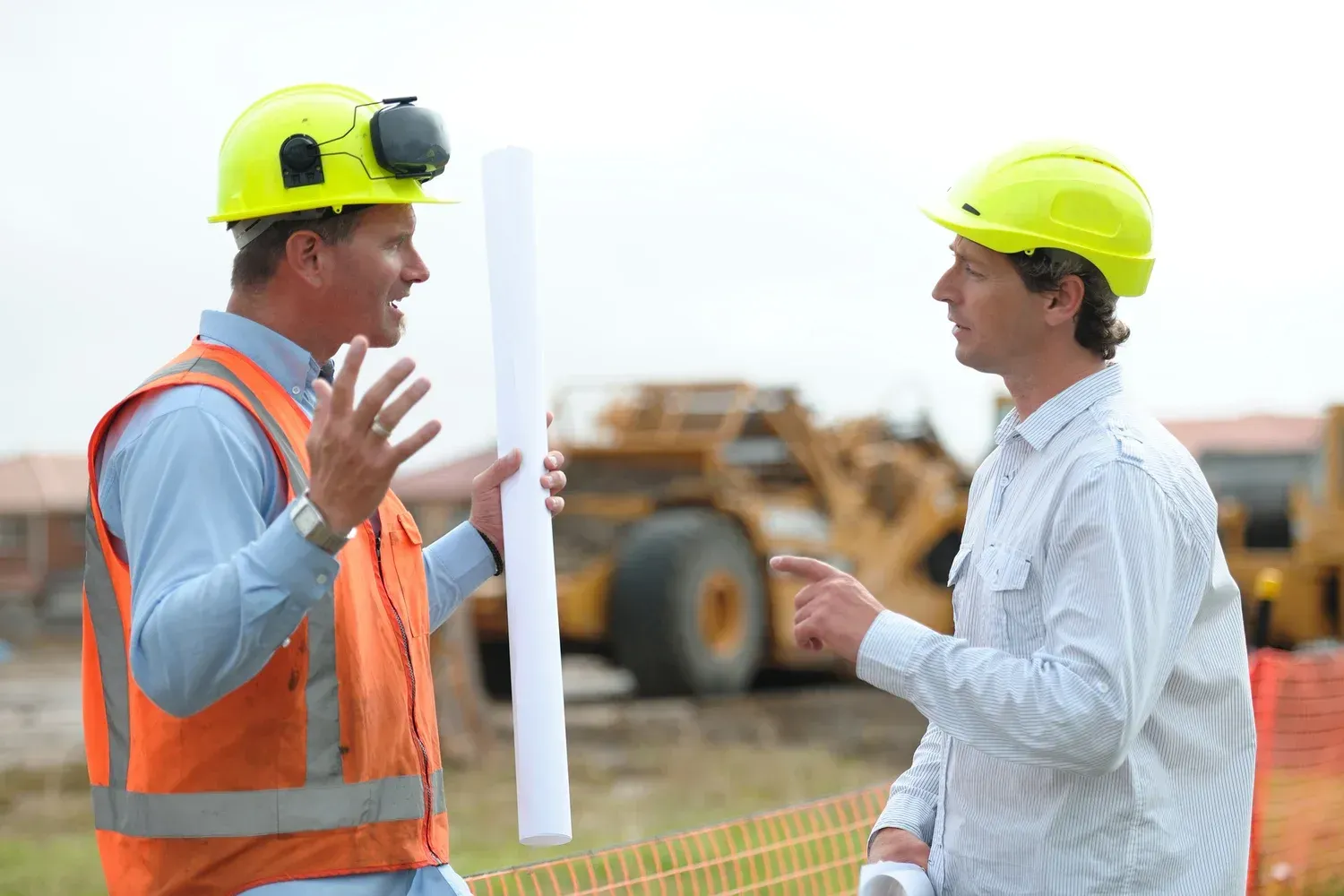
Building projects rarely go entirely to plan. Even with a detailed contract, a competent builder and the best of intentions, disagreements over workmanship, costs, delays or specifications can and do arise. When they do, understanding the construction dispute resolution process can make the difference between a swift, fair outcome and a drawn-out, costly battle.
Why Construction Disputes Arise
Most disputes stem from a handful of recurring issues: work that falls short of the agreed standard, costs that creep beyond the original quote, delays that push completion dates back, or simply a breakdown in communication between builder and client. Whatever the cause, both parties usually end up pointing the finger at the other — which is where a structured resolution process becomes essential.
Review the Contract and Gather Evidence
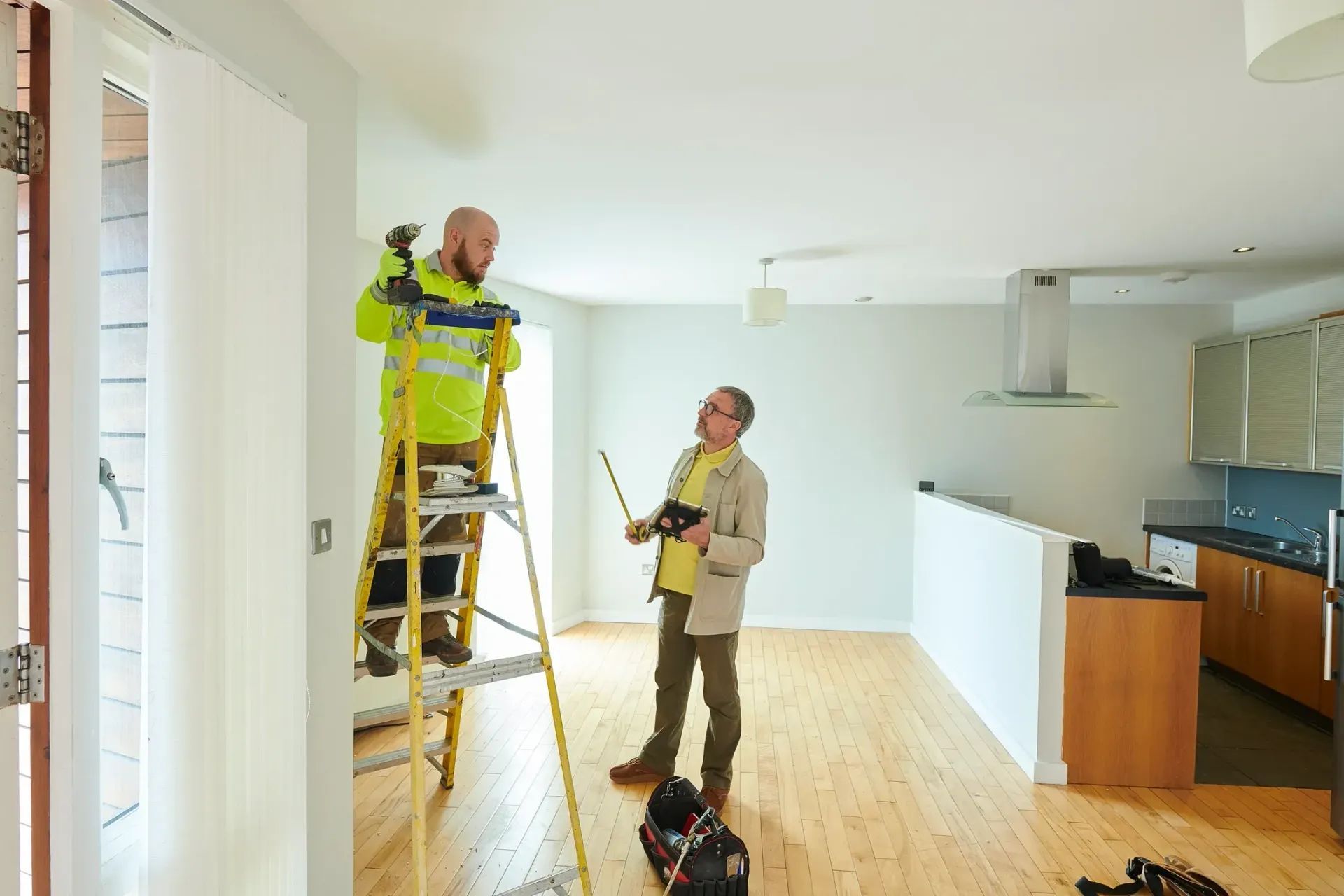
Before anything else, it's worth going back to the original agreement. What was actually specified? What standards, materials or timescales were promised in writing? Alongside the contract, gathering evidence, photographs, correspondence, invoices and site reports, gives a clear factual basis for any claim. This is often the stage where an independent building surveyor becomes invaluable, as they can assess the actual standard of work against what should reasonably have been delivered.
Try to Resolve the Dispute Through Negotiation
Many construction disputes are resolved without ever reaching a formal process. Direct negotiation between the parties, sometimes with a surveyor's report to support the discussion, can clear up misunderstandings and lead to a practical compromise — whether that's remedial work, a partial refund, or an adjusted final account.
Consider Mediation
Where negotiation stalls, mediation offers a structured but informal route to agreement. An independent mediator helps both sides communicate, understand each other's position and work towards a resolution without the expense and formality of court. It's generally faster and considerably less adversarial than litigation.
Adjudication and Arbitration
Adjudication may be available under the contract or, for many qualifying construction contracts, as a statutory right. It provides a relatively quick decision from an independent adjudicator. Different rules may apply to contracts involving residential occupiers, so the contract should be checked carefully. Arbitration is another alternative to court, resulting in a binding decision where the parties have agreed to use that process.
Pre-Action Correspondence and Court Proceedings
If earlier stages fail to resolve matters, court proceedings may become necessary. At this point, an independent expert witness plays a critical role. A chartered building surveyor can provide impartial, evidence-based opinion on defects, workmanship, subsidence, party wall matters and more, helping the court understand the technical realities of the dispute.
Getting the Right Support Early
The earlier independent, professional advice is brought in, the more likely a dispute is to be resolved efficiently, often avoiding court altogether. At Simon Levy Associates, our chartered building surveyors have over 30 years of experience diagnosing defects, assessing workmanship and providing expert witness evidence for construction disputes across Borehamwood, Hertfordshire and Greater London.
Whether you're a homeowner unhappy with a builder's work or a contractor facing an unfair claim, having an impartial construction expert on your side gives you a clear, evidence-based footing throughout the dispute resolution process.
If you're currently dealing with a construction dispute, contact Simon Levy Associates on 020 8207 6100 for expert advice.