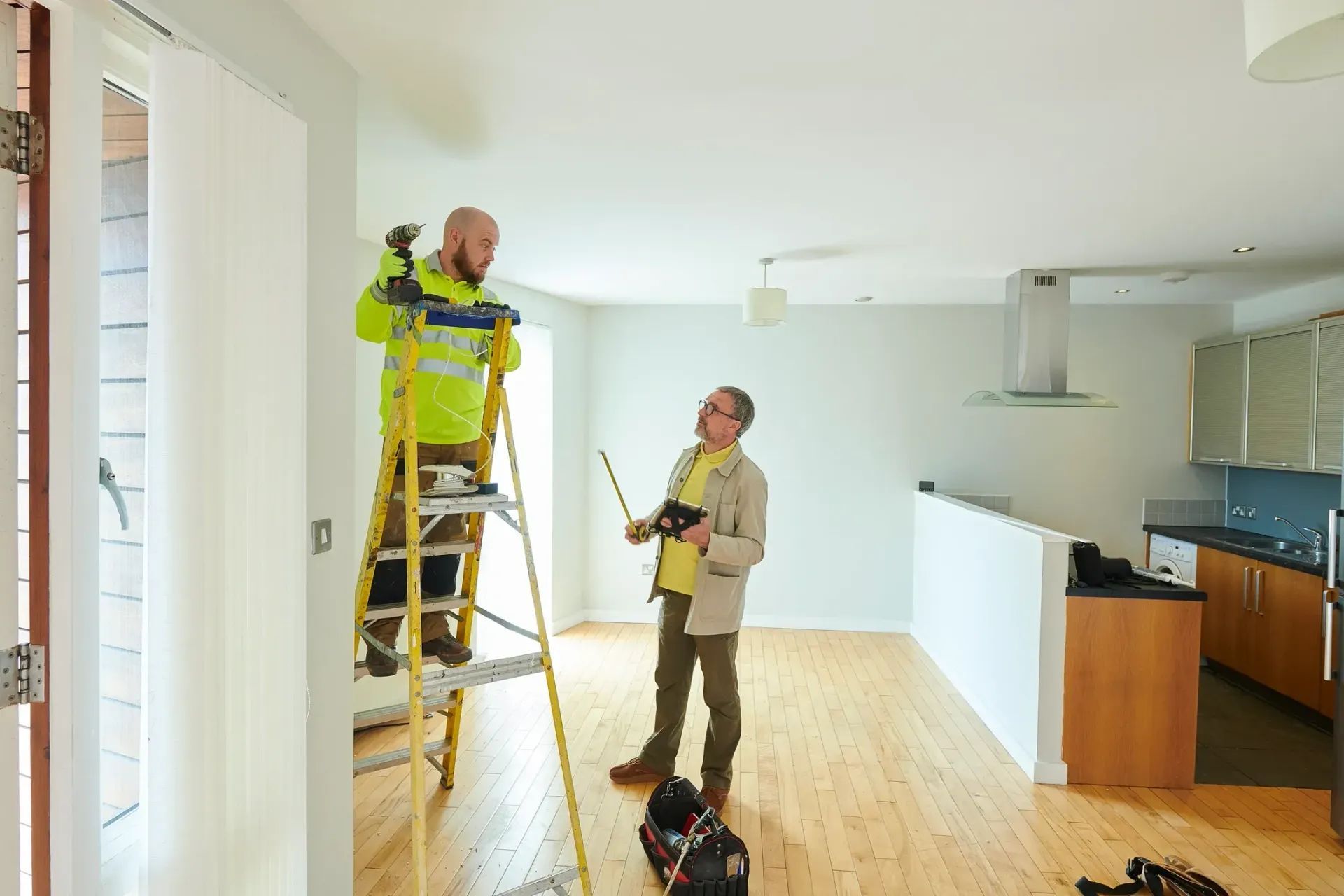
Insurance Claims Adjuster Support: Your Next Steps

Dealing with property damage can be a stressful and overwhelming experience. Whether you’ve experienced subsidence, fire, or flooding, the process of filing a property damage claim can seem like an uphill battle. Thankfully, with the right support, such as the expertise of an insurance claims adjuster and a chartered surveyor, you can navigate this process more smoothly. This guide explains how insurance claims adjusters, insurance loss adjusters, and surveyors work together, and how you can protect your interests during a building insurance claim.
What is an Insurance Claims Adjuster?
An insurance claims adjuster is a professional hired by an insurance company to assess the damage to your property and determine the compensation you’re entitled to. Their role is to investigate the claim, evaluate the damage, and make recommendations about how much the insurer should pay.
There are key differences between an insurance claims adjuster and an insurance loss adjuster. While the claims adjuster is employed by the insurer, an insurance loss adjuster is typically an independent professional hired by the policyholder to help resolve disputes and ensure fair compensation. This is crucial when complex claims arise, like those involving subsidence, fire or flood damage, where a second opinion can help protect the claimant’s interests.
The Role of a Chartered Surveyor in Property Damage Claims
While the insurance adjuster evaluates the damage from an insurer’s perspective, a chartered surveyor brings an independent viewpoint. Chartered surveyors are experts in building assessments, and their role in the claims process is invaluable. They provide a detailed analysis of the damage to your property, offering accurate cost estimates for repairs and ensuring that nothing is overlooked.
Here’s how a chartered surveyor can assist you:
● Independent Assessment - A surveyor can give an impartial evaluation of the damage, which is crucial when an insurance claims adjuster’s assessment may fall short.
● Expert Recommendations - They will offer expert advice on how best to restore the property and ensure it meets safety and building regulations.
● Building Cost Estimates - A surveyor will provide a detailed breakdown of the costs involved in repairing or rebuilding, ensuring the insurer has a full understanding of the financial requirements.
Hiring a chartered surveyor early in the process ensures you get a fair and accurate damage assessment. They can support you by scrutinising the adjuster’s findings and advocating on your behalf to ensure that your claim covers all necessary repairs.
How Insurance Claims Adjusters and Surveyors Work Together
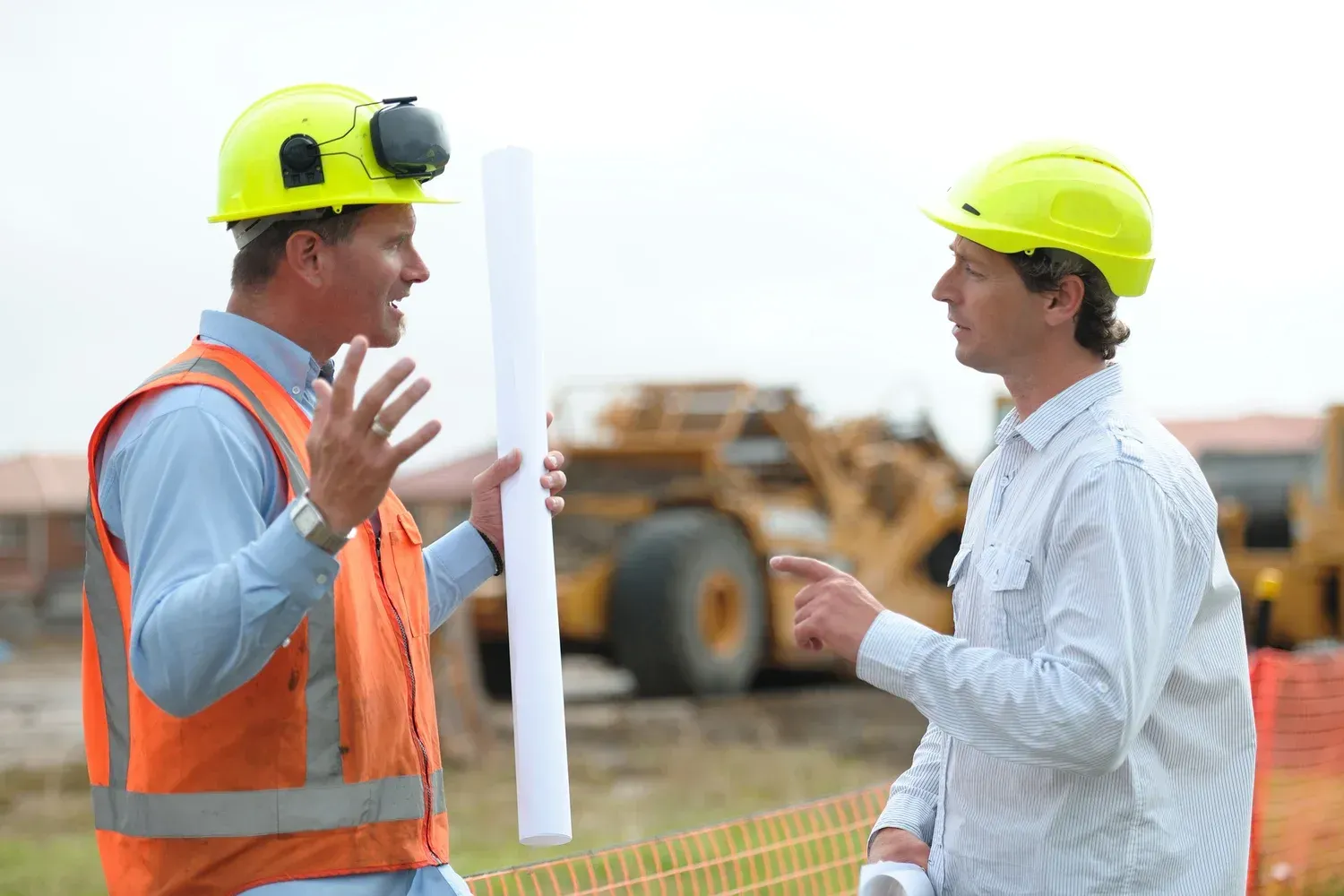
One of the most important aspects of the property damage claims process is the collaboration between insurance claims adjusters and chartered surveyors. These professionals work hand in hand to ensure that the claims process is thorough, transparent, and fair.
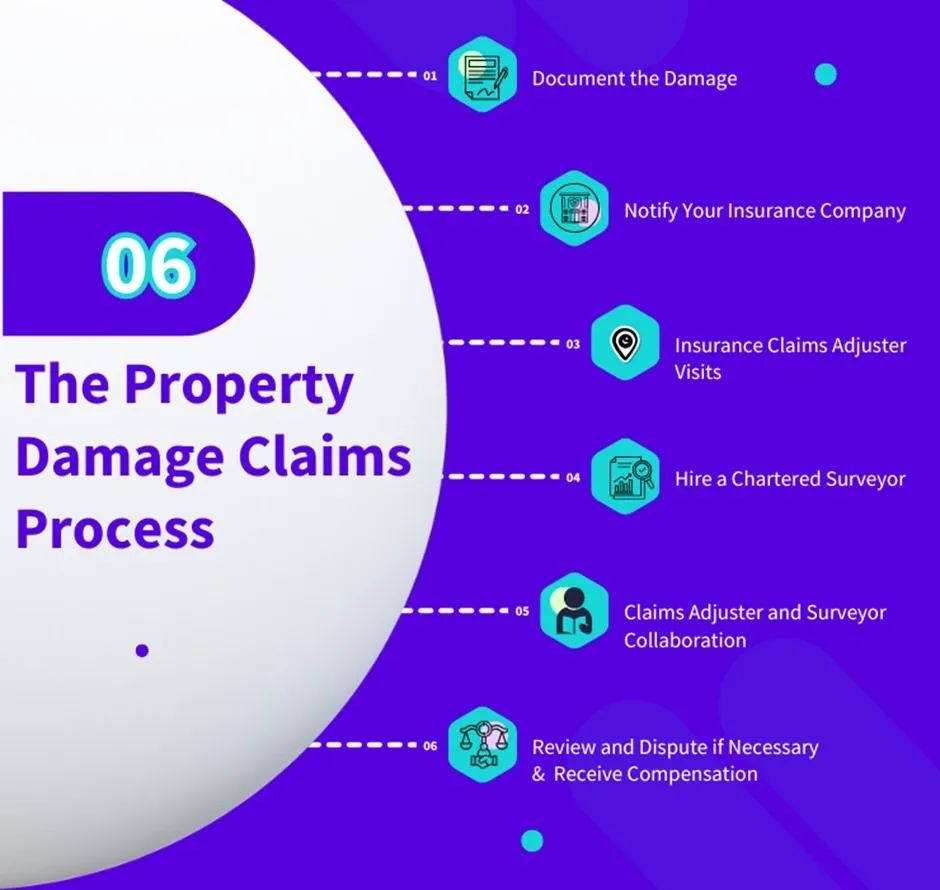
Key Steps in the Claims Process:
Damage Assessment - The insurance claims adjuster visits the property to assess the damage. At the same time, a chartered surveyor might be called upon to conduct a detailed evaluation of the structure and the extent of the damage.
Collaborative Reporting - The adjuster relies on the surveyor’s report to help determine the extent of the damage and estimate repair costs. This collaboration ensures that all aspects of the damage are accounted for, from visible issues to more hidden structural concerns.
Dispute Resolution - If there is a dispute over the claims assessment, a surveyor can act as an expert witness, helping to resolve disagreements by providing an independent, professional report that can be used to challenge or support the insurance claims adjuster’s findings.
Benefits of Having Both Professionals
Together, these professionals create a comprehensive and fair approach to your claim, increasing your chances of receiving the full compensation you deserve. They can offer you benefits such as:
● Accuracy - With both a surveyor and an adjuster, you can ensure that no part of your claim is missed, whether it's structural damage or loss of contents.
● Fair Compensation - The surveyor’s independent input ensures that the damage is accurately assessed, while the adjuster helps ensure that the claim is processed efficiently.
● Avoiding Delays - When surveyors and adjusters work together from the start, the claim process is smoother and quicker, reducing the likelihood of delays and extended negotiations.
Key Steps for Homeowners and Property Managers to Protect Their Interests
When it comes to protecting your interests during a property damage claim, there are several important steps you should take. These steps ensure that you don’t miss out on compensation and that your property is accurately assessed.
Document the Damage Thoroughly
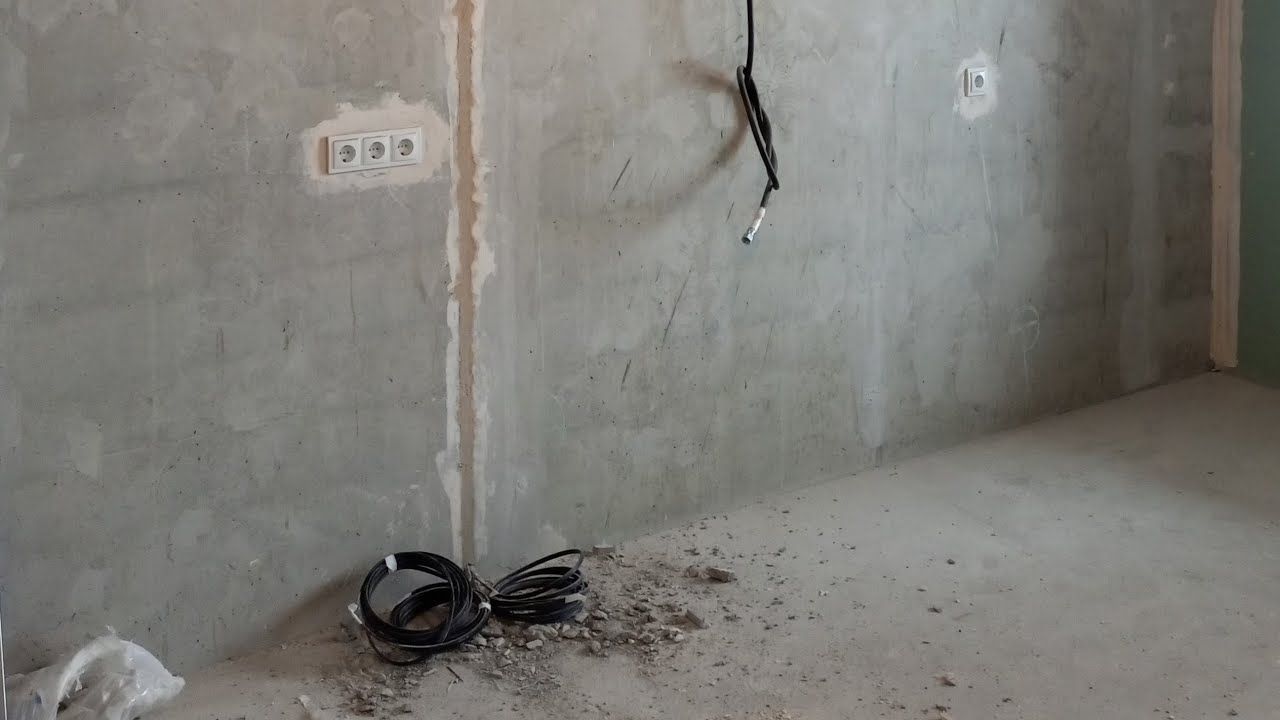
Proper documentation is critical to a successful claim. It’s essential to capture the damage immediately and keep a detailed record of all affected areas.
● Take Photographs: Capture clear images of the damage from multiple angles.
● Create a Written Record: Note any relevant details about the damage, including dates and the circumstances leading to it.
● Keep Receipts and Bills: For any immediate repairs or emergency services, retain all receipts for insurance purposes.
Get Professional Help Early
While you might be eager to file a claim immediately, it’s important to get the help of a chartered surveyor and insurance loss adjuster early on. Involving professionals from the start ensures that the damage is accurately assessed, preventing any missed issues from being overlooked later on.
● Hire a Surveyor: Bring in a chartered surveyor to assess the damage before you submit the claim. Their independent assessment helps you ensure that all damages are reported accurately.
● Engage an Insurance Loss Adjuster: For more complex claims, especially those involving extensive damage, an insurance loss adjuster like Simon Levy can assist you with navigating the process and negotiating on your behalf.
Understand Your Insurance Policy
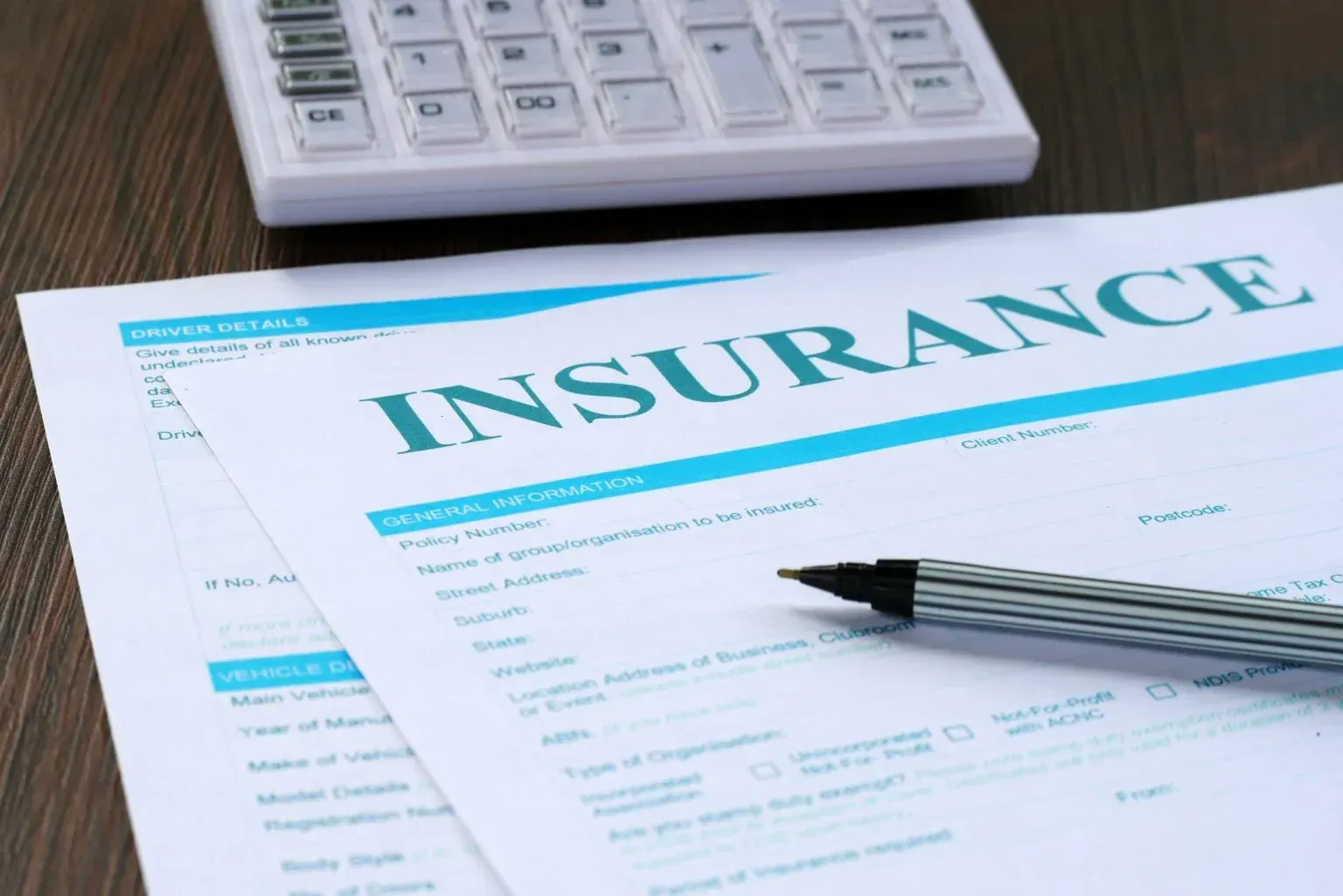
Take the time to review your building insurance claim policy to understand your coverage. If you’re unsure about the terms of your policy, reach out to your insurance provider for clarification or seek professional guidance to ensure you don’t miss out on necessary coverage.
● Know Your Coverage Limits: Understand the maximum payout your insurer will provide for various types of damage.
● Be Aware of Exclusions: Certain types of damage, such as wear and tear or maintenance-related issues, may not be covered under your policy.
Review the Adjuster’s Report Carefully
Once the insurance claims adjuster provides their assessment, it’s important to review their findings thoroughly. If the assessment seems incomplete or incorrect, don’t hesitate to challenge it.
Ask for Clarification: If the findings are unclear or you believe they are inaccurate, ask the adjuster for further details.
Get a Second Opinion: If the disagreement persists, consult a chartered surveyor or insurance loss adjuster to provide an independent opinion and support your case.
Simon Levy
Navigating a property damage claim can be a daunting process, but with the support of an insurance claims adjuster and a chartered surveyor, you can ensure that your interests are protected and that you receive a fair outcome. By documenting the damage, understanding your insurance policy, and involving professionals early on, you can make the claims process smoother and more transparent.
If you’re facing a building insurance claim or other property damage issues, Simon Levy, a highly experienced insurance loss adjuster, can provide the expert support you need to give you a fair and accurate claims process. Visit Simon Levy’s website today for more information or to schedule a consultation, get in touch with us.