Dilapidation Claims: A Quick Guide for Tenants and Landlords
Whether you’re a tenant nearing the end of a lease or a landlord preparing to retake possession of a property, understanding dilapidation claims is essential. A proper dilapidation report, carried out by qualified professionals such as Simon Levy Associates, can help prevent expensive disputes and ensure a smooth lease exit. In this guide, discover the key information that both landlords and tenants should know about dilapidations.
What are Dilapidations?
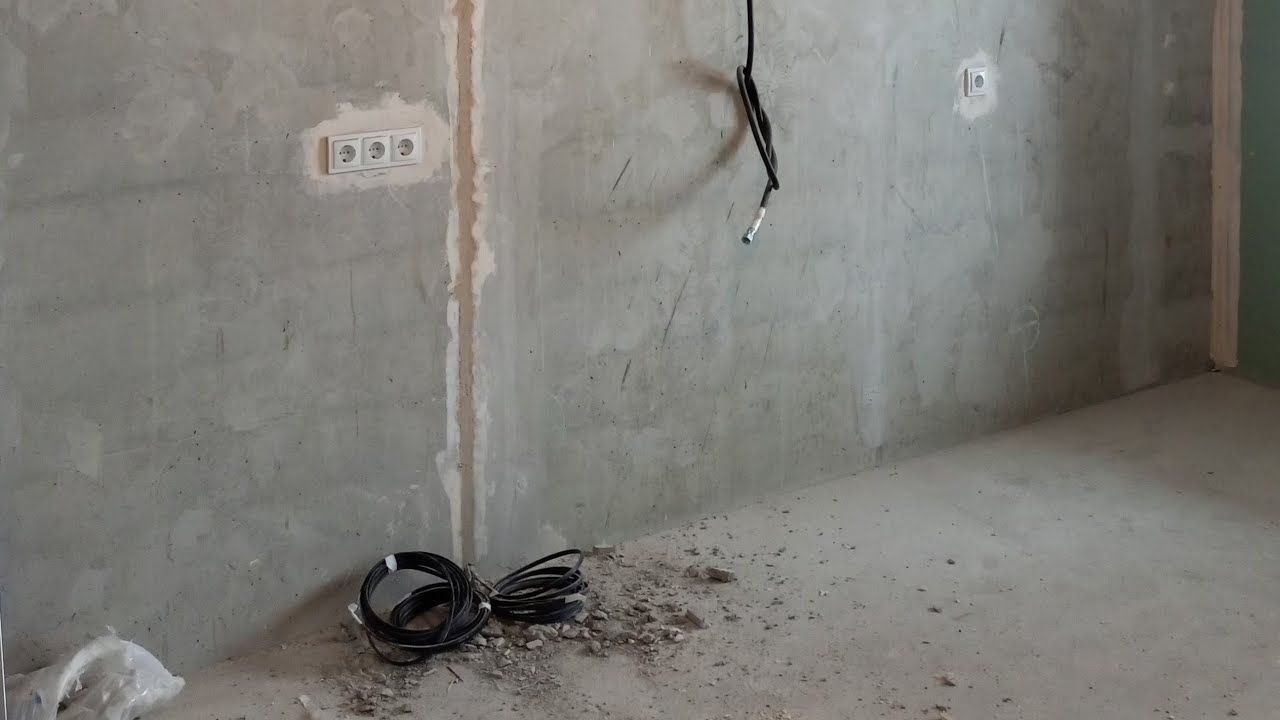
In commercial property contexts, ‘dilapidations’ refers to disrepair, damage, or deterioration that a tenant may be responsible for under the lease agreement. As the lease ends, a dilapidation claim can be made to recover the cost of restoring the premises to the agreed standard, including repairs, redecoration, or restoring damaged areas.
A dilapidation claim may also cover a landlord’s loss, such as rent lost if major repairs delay re‑letting the premises.
The Role of a Dilapidation Report & Property Survey
A dilapidation report, or dilapidation survey, is key to objectively documenting the property's condition. When conducted by an independent and accredited surveying team like Simon Levy Associates, it provides a comprehensive record of defects or breaches of lease obligations.
This report typically includes a full description of the property, photographs showing the current condition, and a schedule of condition or schedule of dilapidations, which itemises any defects or issues requiring repair or maintenance.
A professional survey offers a neutral, factual baseline, which is essential for negotiating settlements or defending against unfair claims.
Why Tenants and Landlords Should Care
For tenants, a dilapidation survey clarifies exactly what needs to be addressed and what doesn’t. By using an impartial firm, tenants can challenge excessive or unwarranted claims, such as requests to pay for pre‑existing wear or changes made before their tenancy began.
For landlords, commissioning a dilapidation report can protect the property’s value. It provides clear evidence of any deterioration during the lease period, offering a basis for a fair claim.
For both parties, this formal survey process reduces the risk of drawn‑out disputes, saving time, money, and stress when the lease ends.
How the Process Usually Works
At the start of a lease, both parties may agree on a Schedule of Condition to record the property’s state before occupation. As the lease nears its end, a dilapidations survey is conducted. The surveyor reviews the property against its original condition (or the lease terms), documenting any disrepair, damage, or unauthorised alterations.
A full dilapidation report is then produced, detailing defects and recommending remedial works, often with cost estimates. This forms the basis for negotiating a settlement, either by the tenant completing the work or compensating the landlord.
Full Support from Simon Levy Associates
A dilapidation report and thorough property survey are vital tools in any commercial lease arrangement, whether you're a tenant or a landlord. Acting as impartial evidence, they ensure clarity on the property’s condition, help prevent unfair claims, and provide a solid foundation for settlement negotiations.
Contact us at Simon Levy Associates today to discuss how a detailed dilapidation survey can protect your interests and lead to a fair lease exit.